Tropical Houseplant Care

Finnegan Flynn
| 15-05-2026
 · Lifestyle Team
Walk into any garden center and the shelves are full of tropical plants, even in climates that couldn't be further from the equator.
Monstera, philodendron, peace lily, bromeliad — these are all tropical plants, and they've taken over indoor spaces for a very good reason.
Once you understand what makes a plant tropical and what it actually needs to thrive, the care routine clicks into place in a way that makes the whole thing feel less like guesswork.
What "Tropical" Actually Means
A tropical plant hails from equatorial regions, where warmth, high rainfall, and humidity are constant year-round. These plants evolved in places where temperatures rarely swing and moisture is nearly always present. Many of today’s favorite houseplant tropicals began their lives in the forest understory — the shaded zone beneath the tree canopy — which explains why they thrive in the lower light of our homes. That understory origin is a real advantage indoors: these plants don’t need harsh sunlight and actually prefer the bright-but-indirect light most rooms provide.
These plants are near-impossible to ruin— and one of them might be the perfect place to start your indoor garden.
Most houseplants die from the same mistakes — here's what to actually do to keep them thriving indoors.
Learn to Make a Smooth, Creamy Latte at Home in Minutes with Simple Steps
What Tea Tools Are Really Needed? A Simple Guide to Every Essential Teaware Piece You Should Know Today!
Simple expert tricks to keep your home spotless with less effort
No Sunny Window? No Problem — Here's How to Keep Indoor Plants Genuinely Healthy in Dim Spaces
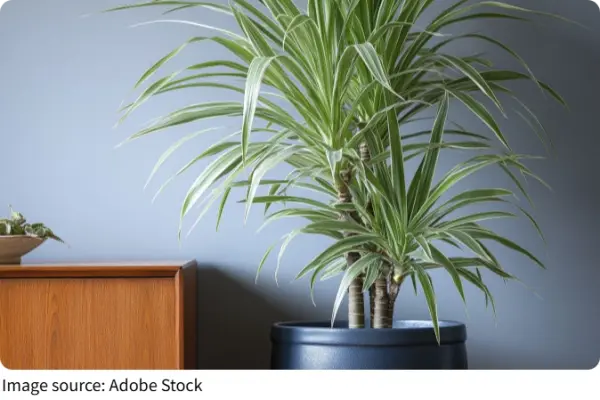
Their striking appearance tells the story of their origins. Large, often glossy leaves are a signature feature, designed to capture as much light as possible in a shaded
Popular Varieties and Their Basics
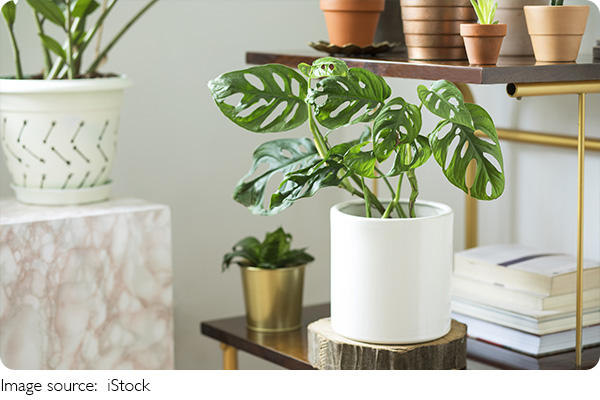
Monstera deliciosa — the iconic Swiss cheese plant with its naturally split leaves — is one of the most beloved of all tropical houseplants. It wants bright indirect light, watering when the top inch of soil feels dry, and enough humidity to mimic its forest-floor origins. Near a bathroom or with a small humidifier nearby, it'll thrive.
Philodendrons are one of the easiest tropical families to keep happy. Whether it's the trailing heartleaf variety or a larger, more dramatic upright type, they adapt well to moderate indirect light and prefer to dry out between waterings by one to two inches. Regular misting helps, though they're forgiving when humidity is lower than ideal.
Peace lilies are excellent for beginners. They handle low to bright indirect light, keep the soil consistently moist rather than soaking wet, and will let you know they're thirsty by drooping visibly — then recovering beautifully once watered.
Bromeliads bring vivid color and a distinct tropical character. They want bright indirect light and require a slightly unusual watering approach: water goes into the center of the rosette formed by the leaves rather than directly into the soil. Empty and refresh that central cup regularly to prevent rot.
The Humidity Gap
The single biggest challenge of keeping tropical plants indoors is humidity. Most tropical houseplants are happiest at 50 to 70% relative humidity. The average heated or air-conditioned home hovers around 30 to 40%, and in winter that drops further. The signs of insufficient humidity are brown leaf tips, curling leaves, and increased pest susceptibility. Grouping tropical plants together creates a small shared microclimate — each plant releases moisture through its leaves via transpiration, raising the humidity for its neighbors. Placing pots on a tray of pebbles with water at the base — never letting the container actually sit in the water — also helps. A humidifier near the plants is the most effective option when conditions are particularly dry.
Temperature, Watering, and Soil
Tropical plants need stable warmth: between 65 and 85°F during the day, and avoiding any drops below 50°F. Cold drafts from windows, air conditioning vents, or nearby doors are genuinely damaging. Keep them away from these sources of sudden temperature change. For watering, most tropicals want to stay evenly moist — but not waterlogged. Allowing the top one to two inches to dry before the next watering prevents root rot while keeping the roots adequately hydrated. Most will do fine in a standard general-purpose potting mix; if you tend to overwater, adding perlite to the mix improves drainage and reduces the risk. Fertilize monthly during spring and summer with a liquid fertilizer, and hold off entirely through fall and winter when growth naturally slows.