Karamoja Village Life

Arvind Singh
| 19-01-2026
 · Travel Team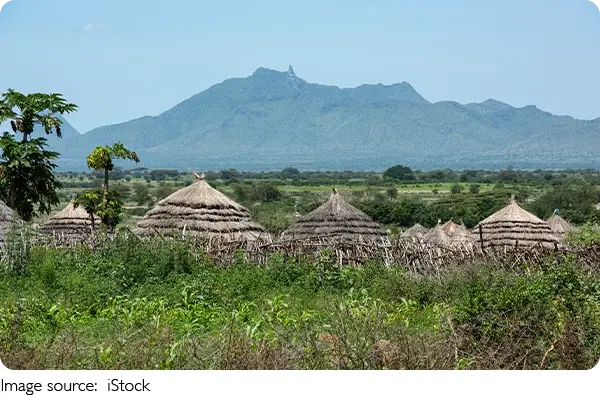
If we want an authentic Ugandan adventure, visiting a village in Karamoja is a must. Located in northeastern Uganda, this region spans over 27,500 km² and is home to unique cultures, open savannahs, and traditional communities that have preserved their lifestyle for generations.
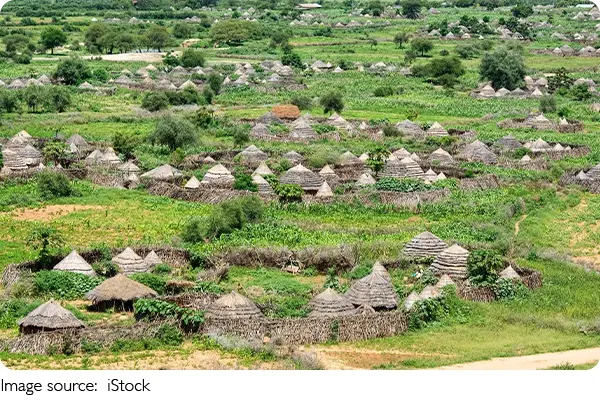
Villages here are small, often centered around thatched huts, farmland, and livestock enclosures. Walking through dusty paths, we can immediately sense how daily life revolves around family, livestock, and seasonal farming.
Best Time to Visit
Timing our trip matters for comfort and scenery:
- Dry Season (December–February): Roads are easier to navigate, and the weather is sunny. Perfect for village visits.
- Post-Rainy Season (March–May): Fields are lush, wildlife is active, and the scenery is vibrant. Roads may be muddy, so a 4x4 is recommended.
Most Visitors Miss This Easy Peninsula Walk Near Machico—Don’t Be One of Them
Discover Lone Rock at Lake Powell: Stunning Views, Beach Camping, Water Fun & All Practical Tips for an Unforgettable Trip!
Explore Haut-Koenigsbourg Castle: Stunning Views, Medieval Halls, Tickets, Transport, Dining, and Accommodation in Alsace!
Discover Crans-Montana: Switzerland’s Stunning Valais Ski Resort with Slopes, Scenic Views, and Year-Round Adventure!
Love heights and views? See famous Ferris wheels around the world and what makes them epic!
Discover Valencia’s Stunning Prince Philip Science Museum – Interactive Exhibits, Whale-Bone Architecture, and Family Fun Await!
- Avoid June–November: Travel is difficult as some rural roads become impassable.
Getting There
Reaching a village in Karamoja requires planning:
- From Kampala: A road trip takes 8–10 hours. Public buses cost $15–$20 but run on limited schedules.
- Private Vehicle: Renting a 4x4 costs $80–$120 per day. This is the most comfortable way to explore remote areas.
- Inside Villages: Walking is common, and short motorbike rides cost $3–$5. Traveling slowly allows us to interact with locals and observe daily life.
Village Layout and Daily Life
We notice that most villages are organized around:
- Thatched huts: Families live in compounds made of mud and grass.
- Livestock pens: Animals are central to daily life.
- Communal spaces: Areas where children play, and adults gather.
Mornings are busy with water collection, cooking, and tending livestock. Children often play traditional games while women weave baskets or prepare food. Experiencing this rhythm gives us a real sense of village life.
Cultural Experiences
Culture is the heart of Karamoja villages:
- Annual Karamoja Cultural Festival: Held in August, tickets cost $5–$10. It showcases traditional dances, songs, and crafts.
- Music and Dance: Villagers perform regularly during ceremonies. We can join respectfully to learn dances.
- Crafts and Souvenirs: Handwoven baskets, jewelry, and pottery are sold for $2–$10. Buying from locals supports their economy and connects us with their traditions.
Accommodation Options
Villages do not have hotels, but nearby towns offer comfortable stays:
- Guesthouses in Moroto or Kotido: $20–$30 per night, basic amenities, clean rooms.
- Eco-lodges: $50–$60 per night, traditional-style huts with beds, bathrooms, and meals included.
- Booking Tip: Reserve in advance during festivals or holidays to ensure availability.
Food and Dining
We can enjoy simple yet hearty local meals:
- Staples: Millet porridge, roasted maize, goat meat, and fresh milk.
- Village meals: Eating with locals costs $2–$5 per meal and provides an authentic cultural experience.
- Markets: Fresh fruits and snacks are available for $0.50–$2 per item. Visiting local markets lets us see the daily life and commerce in the village.
Practical Travel Tips
To make our journey smooth:
- Pack lightweight clothing, sturdy shoes, and sun protection.
- Bring refillable water bottles and carry cash since ATMs are scarce.
- Show respect for local customs; ask before taking photos.
- Learn a few greetings in Karamojong to connect with villagers.
- Hiring a local guide ($10–$15) is helpful for understanding culture and navigating safely.
Exploring Surroundings
Beyond the village, we can explore:
- Hiking and Nature Walks: Small hills and rocky outcrops offer panoramic views.
- Wildlife Observation: Livestock, goats, and occasional wild animals roam freely.
- Photography: Daily life, landscapes, and festivals offer rich photo opportunities.
- Cultural Interaction: Spending time with villagers while walking gives us stories and insights we won’t find in city life.
Final Thoughts
A village in Karamoja is more than a destination — it’s an immersive experience in culture, nature, and tradition. Lykkers, by visiting these villages, we gain a deep understanding of resilience, community, and simplicity. From the rhythms of daily life to colorful festivals and scenic landscapes, Karamoja villages offer memories and stories that last a lifetime. Exploring this region gives us a unique perspective on Uganda and life beyond the tourist trail.