Iconic Dutch Windmills!

Chandan Singh
| 08-01-2026
 · Travel Team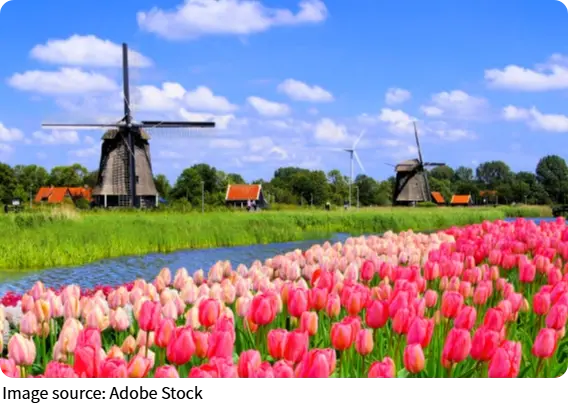
The Netherlands is synonymous with picturesque windmills, charming canals, and vibrant tulip fields.
Among its most iconic symbols, the Dutch windmill stands out as a testament to centuries of ingenuity, engineering, and cultural heritage.
From historic pumping mills to working grain mills, visiting these structures offers travelers a glimpse into the country's rich history and scenic landscapes. This guide provides practical information for exploring Dutch windmills, including locations, fees, transportation, and the best times to visit.
Kinderdijk: The UNESCO World Heritage Site
Kinderdijk is home to 19 historic windmills built in the 18th century to manage water levels in the Alblasserwaard polder. These windmills are still functional and represent one of the best-preserved examples of Dutch hydraulic engineering.
Venice Gondolas Revealed: Full Travel Guide, Prices, Best Times, and Hidden Tips You Can't Miss!
Discover Venice in 2026: Explore Canals, Gondolas, Historic Palaces, and Hidden Gems for an Unforgettable Trip!
Tulips on a budget?! Windmills, color, charm—can you enjoy spring magic without overspending?
Street food, old streets, lake views! What should you never miss in Hanoi?
Can a bridge take your breath away? Explore these iconic global marvels now!
Trails, gear, and views! Ready for Mount Robson? Essential tips for safe, epic hiking adventures!
How to Get There
Kinderdijk is located about 15 miles (25 km) east of Rotterdam. Visitors can reach the site by car, taxi, or organized bus tours from Rotterdam. Public transportation involves taking a train to Rotterdam Central Station and then a local bus or water taxi to Kinderdijk.
Entrance Fee and Best Time to Visit
The entrance fee to the visitor center is approximately $15 USD per person, which includes access to exhibitions and some of the windmills. Best visiting times are between April and October when the weather is mild and all windmills are operational. Early morning visits offer fewer crowds and better lighting for photography.
Tips
Wear comfortable walking shoes as the site covers several kilometers along canals and pathways. Bring a light jacket, as it can be windy near the water. A guided tour enhances the experience with historical insights and behind-the-scenes access.
Zaanse Schans: Traditional Dutch Charm
Zaanse Schans, near Amsterdam, is another must-see destination for windmill enthusiasts. This area features historic windmills alongside traditional Dutch houses, craft workshops, and small museums.
How to Get There
Zaanse Schans is located about 11 miles (18 km) north of Amsterdam. Visitors can take a direct train from Amsterdam Central Station to Zaandijk, followed by a short walk to the windmills. Car travel and guided bus tours are also popular options.
Entrance Fee and Best Time to Visit
Entry to the outdoor area is free, but some museums and windmill interiors charge approximately $8–$12 USD per person. The best time to visit is late spring (April–June) when tulips bloom and the weather is pleasant. Weekdays are less crowded compared to weekends.
Tips
Take time to explore craft demonstrations, such as cheese-making and clog-making, which add cultural depth to your visit. Binoculars are handy for close-up views of working windmill mechanisms.
Schiedam: The Tallest Windmills in the World
Schiedam, near Rotterdam, boasts some of the tallest windmills in the world, originally used for grinding grain for the city's historical industries. Visiting these mills gives insight into both industrial and agricultural Dutch history.
How to Get There
Schiedam is approximately 5 miles (8 km) west of Rotterdam and can be reached by train, bus, or car. The city is well-connected by public transport, making it easy to combine with a visit to Rotterdam.
Entrance Fee and Best Time to Visit
Admission to the windmill museums in Schiedam is around $12 USD per person. Spring and early autumn are ideal times to visit, with milder weather and fewer tourists. Many windmills operate on a limited schedule, so check availability in advance.
Tips
Many of the windmills offer panoramic views of the surrounding city and harbor. Be prepared to climb narrow staircases inside the mills to fully experience the machinery and lookout points.
Practical Travel Tips
Currency: While the local currency is the Euro, planning costs in US $ helps international travelers budget efficiently.
Clothing: Light layers are recommended as conditions near water and windmills can be breezy. Comfortable walking shoes are essential.
Photography: Early morning or late afternoon provides the best natural light. Consider a tripod for low-light interiors of windmills.
Local Amenities: Cafés and souvenir shops are available at major windmill sites, offering traditional snacks and handcrafted items.
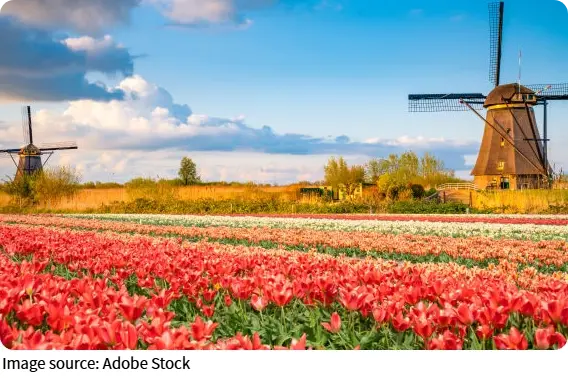
Exploring Dutch windmills provides a unique combination of cultural history, engineering marvels, and scenic beauty. With clear directions, entrance fees, and seasonal recommendations, visiting these windmills becomes a seamless and memorable adventure. Whether you are fascinated by historical machinery, picturesque landscapes, or traditional Dutch culture, the windmills offer an unforgettable journey through the heart of the Netherlands.